Different cities, different stadium relationships
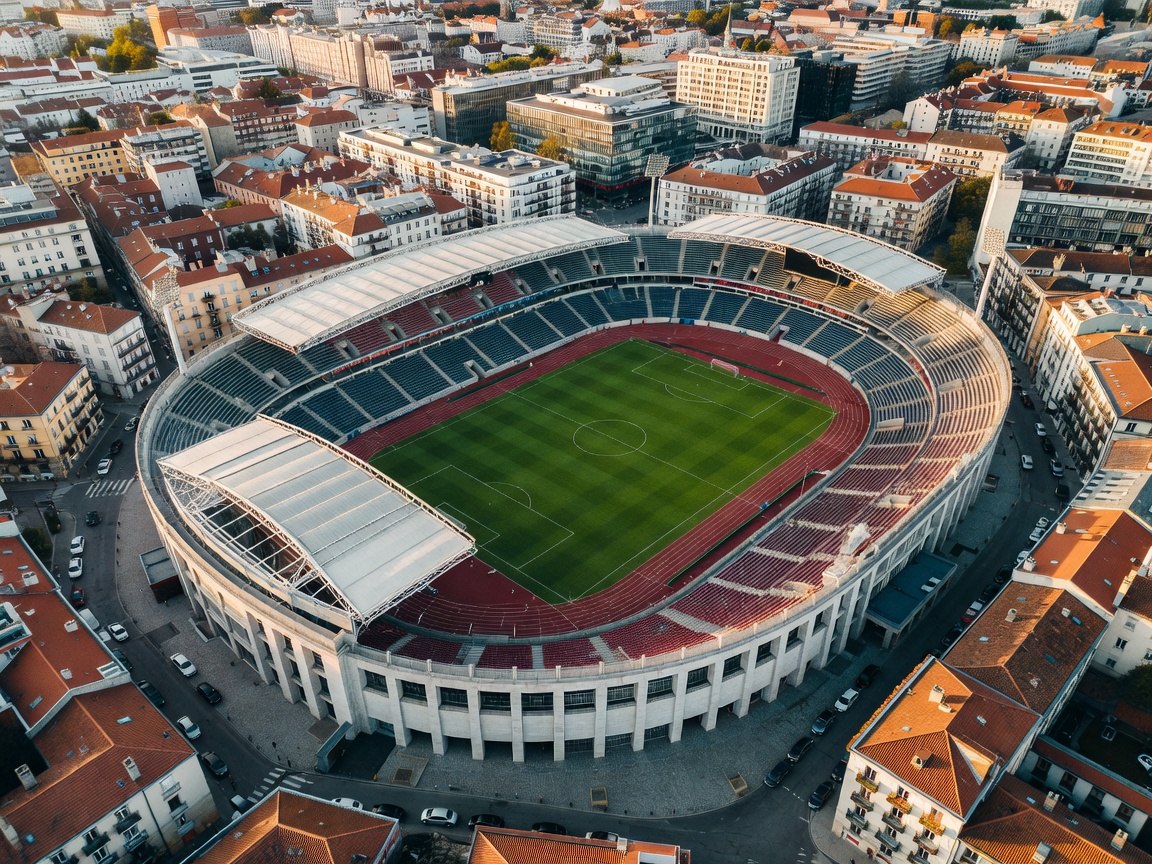
There is no single European stadium type. Some grounds occupy long-established urban sites, where the approach winds through familiar streets and the venue feels closely tied to its neighbourhood. Others sit within larger districts, with broad access routes, generous public areas or a more separated relationship to nearby housing. The contrast is not a simple old-versus-new story: it reflects land, transport, planning, the history of the club and the needs of the venue.
For a visitor, location shapes the experience before the turnstiles. A city-centre ground can reveal layers of ordinary city life on the walk in. A venue farther from the historic core may make transport planning and the transition from station to stadium more prominent. Neither setting is inherently better. Both offer a useful way to understand how football is placed within a city.
Recognisable landmarks, distinct identities
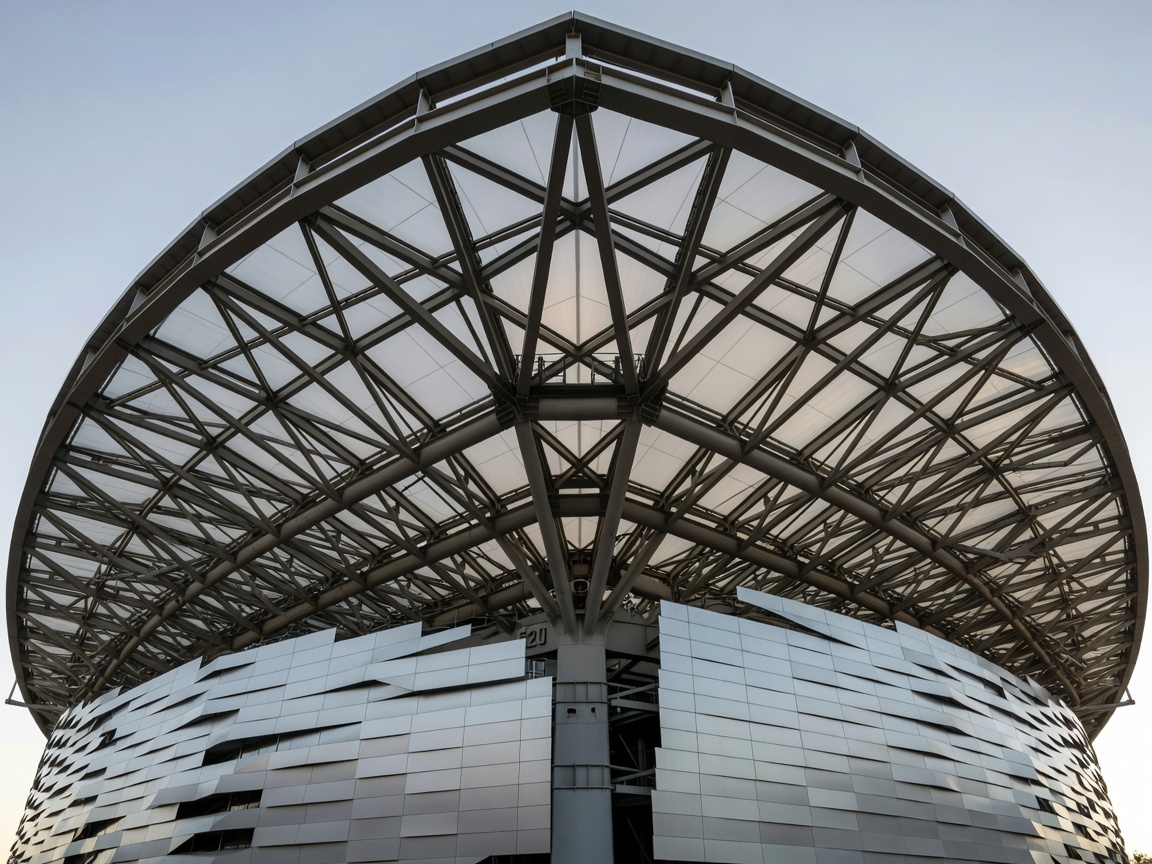
Wembley Stadium is a major London landmark whose arch gives its exterior a strong visual signature. In Barcelona, Spotify Camp Nou is closely bound to the city's football identity; visitors should check the venue's current naming and access information before making plans. Madrid's Santiago Bernabéu is an urban stadium whose setting invites a wider look at how a major venue meets surrounding streets. These examples are not interchangeable: each has its own scale, context and architectural language.
In Milan, San Siro is notable for its monumental, layered structure and long place in the city's sporting imagination. Munich's Allianz Arena is widely recognised for its expressive exterior. Amsterdam's Johan Cruyff Arena and Lisbon's Estádio da Luz show how large contemporary venues can be understood as part of broader city journeys, not simply as isolated buildings. These are useful reference points, rather than a ranking.
Scale, structure and the view from the city
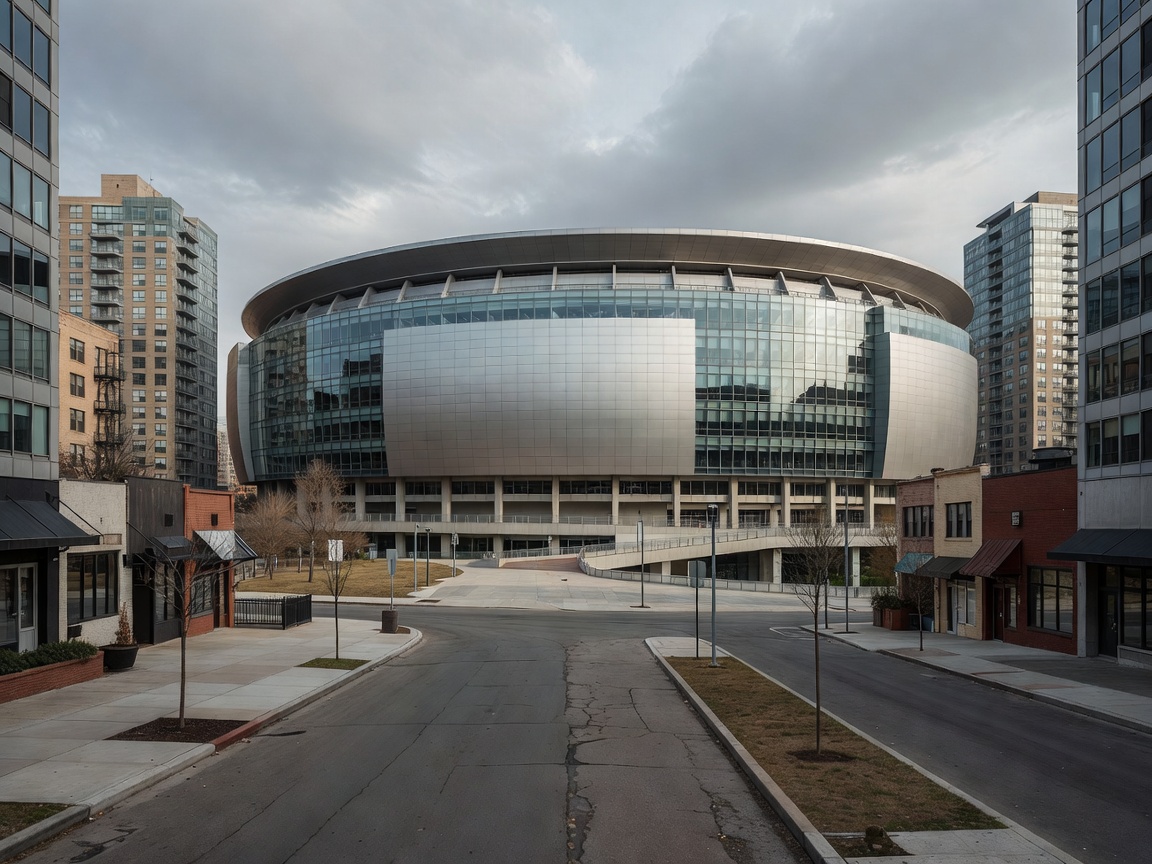
Stadium scale is experienced in more than one way. From outside, massing, roofline and entrances establish how the building meets the street. Inside, the seating bowl—the arrangement of stands around the field—sets the visual relationship between spectators and play. A close, steep-looking enclosure can feel very different from a broad, open structure. Roof coverage, lighting and the materials used on the facade also change the impression as daylight fades.
Architecture can become a shorthand for place, but it should not obscure what is less visible: circulation routes, public spaces, the edges of the site and the everyday uses that surround it. The most interesting stadium visits often connect a familiar image with the less photographed experience of arriving, finding the entrance and moving through the district.
Modern venues and historic grounds
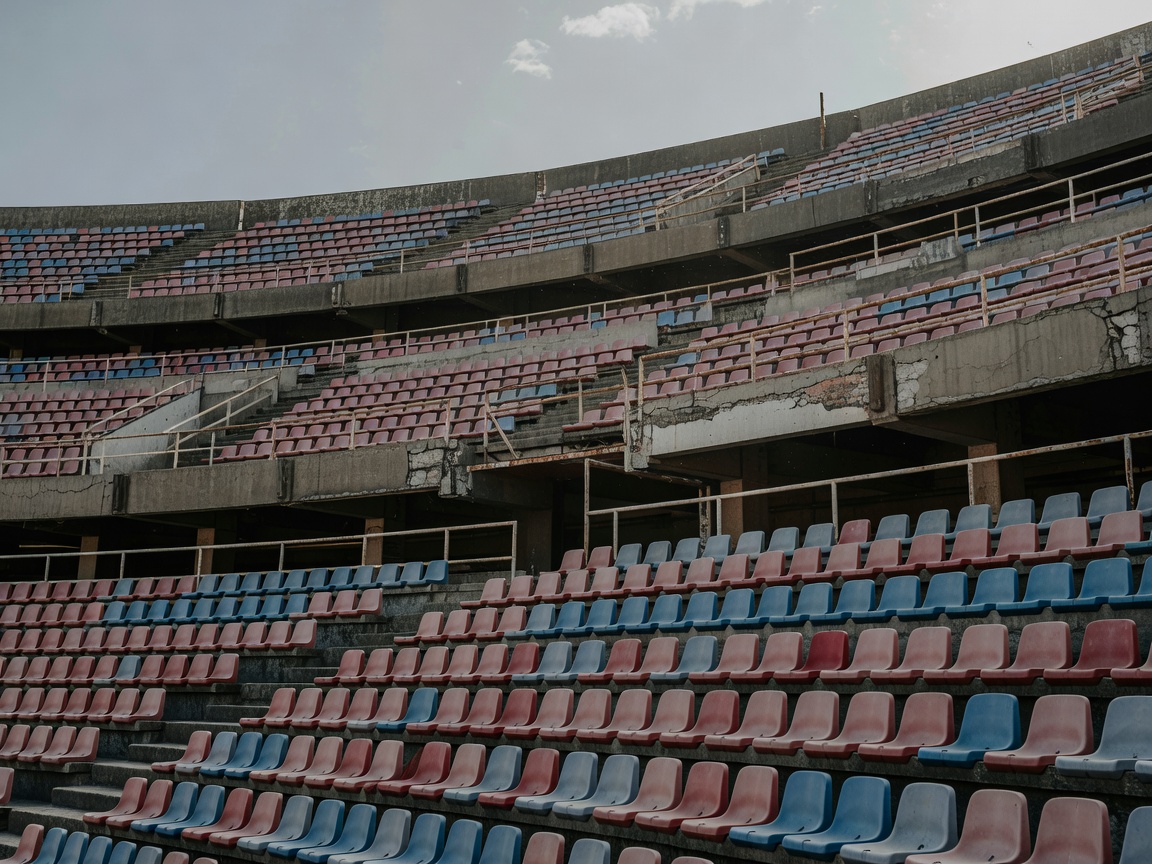
New construction and historic grounds each carry different qualities. A newer building may express its structure clearly, coordinate services and circulation, and present a consistent visitor experience. A long-established ground can preserve visible traces of past design decisions and local attachment. Many venues are continually adapted; a stadium's public image may outlast particular phases of its interior or facilities.
When comparing venues, notice which parts feel composed as one whole and which reveal layers of alteration. Look for old and new materials meeting, the relationship between the lower and upper tiers, and the ways an entrance sequence directs a visitor. Treat impressions as observations, not as proof of a building's date or condition.
What to look for on a stadium visit
Begin outside. Notice how the roof is supported, where the main entrances face, and whether the stadium reads as a civic landmark or as part of a wider district. On an authorised visit, look at the bowl's geometry, the transitions between public and restricted areas, and how wayfinding helps people move. From the surrounding streets, consider how the scale of the building changes with distance.
It is also worth paying attention to the city's rhythm. Cafés, public spaces, transport links and the ordinary flow of pedestrians can help explain how a venue sits in local life. Avoid assuming every stadium offers tours, open public access or the same facilities. These arrangements can change and may depend on events, redevelopment or venue policies.
Comparing the urban and the monumental
A useful comparison is not “best stadium” but “what does this stadium make possible?” A compact city location can make the surrounding streets part of the matchday landscape. A visually expressive facade may communicate identity from a distance. A large roof or open forecourt can shape the approach and sense of arrival. These features have different practical and cultural consequences.
Wembley, San Siro and Allianz Arena, for instance, provide distinct architectural reference points without standing in for every ground in their country. A thoughtful atlas treats each venue as a specific place, acknowledges what is not known, and stays curious about how football, building and city intersect.
Good for
- Football history and culture
- Architecture and stadium photography
- Planning a city-centred football trip
- Comparing urban and outlying venues
What to know
Access, tours, events, opening times and visitor arrangements can change. Consult official venue information for current details. This independent guide does not verify live arrangements.
Practical considerations
Before travelling, check the current stadium name, access policy, event restrictions and transport information from relevant official sources. Consider the full route, not only the destination: station exits, walking links and event-day arrangements may affect the journey. If taking photographs, follow venue rules and respect other visitors. Treat all descriptions here as editorial context, not as a promise of access or facilities.