From the street to the threshold
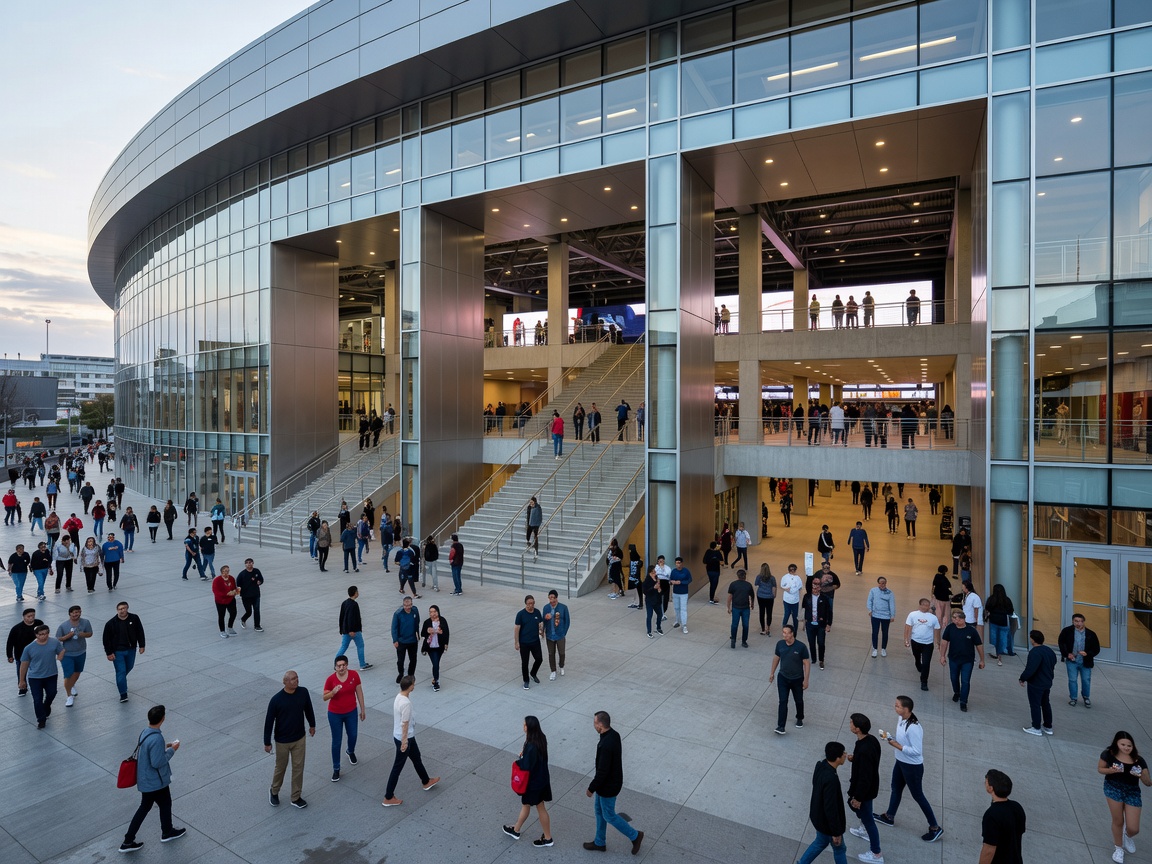
A stadium visit begins in the surrounding area. The approach can be a route through ordinary city blocks, an open public space or a sequence of paths designed for event arrivals. The relationship varies widely. Some venues feel woven into their neighbourhood; others stand within larger sites that make the stadium visible from a distance.
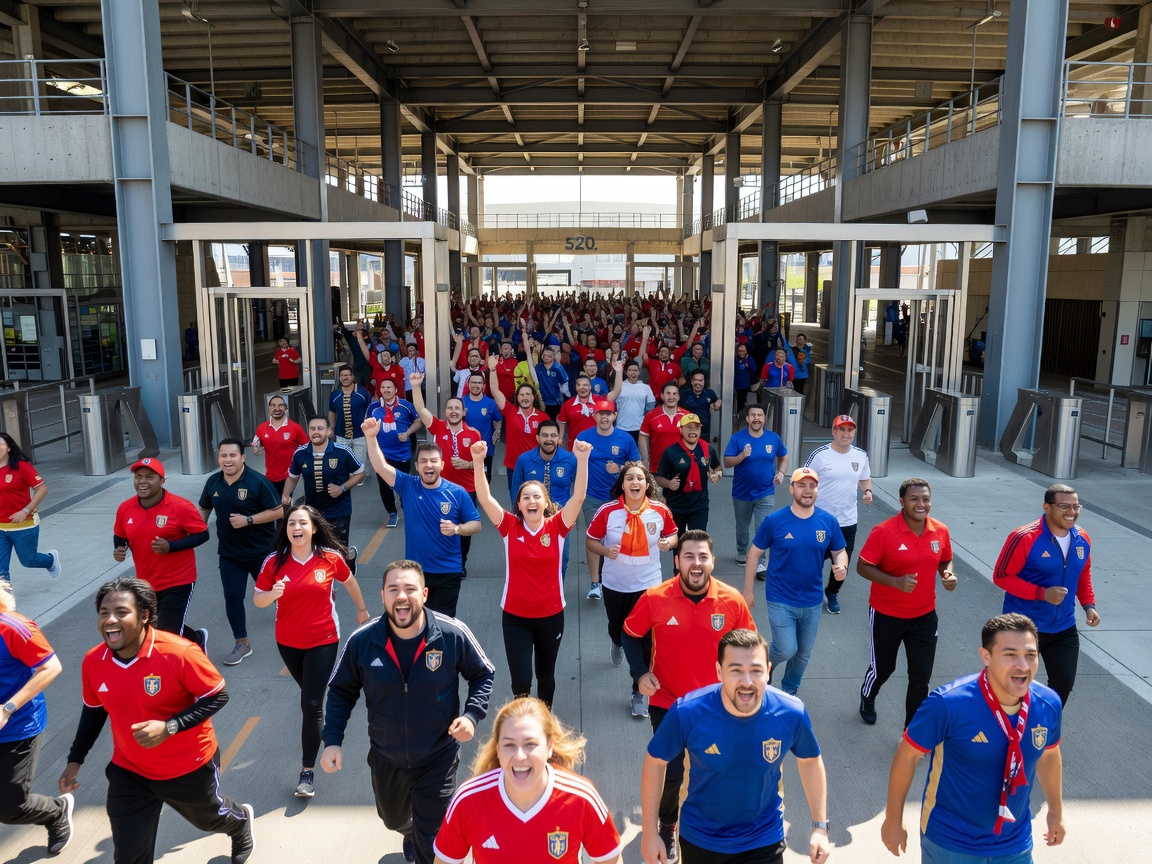
Entrances mark the transition between public space and the venue. Their arrangement, signage and event procedures can vary, so check current information before travelling. Use the entrance shown on your ticket or official visit details, follow signs and staff directions, and avoid assuming every gate is available to every visitor.
Concourses and wayfinding
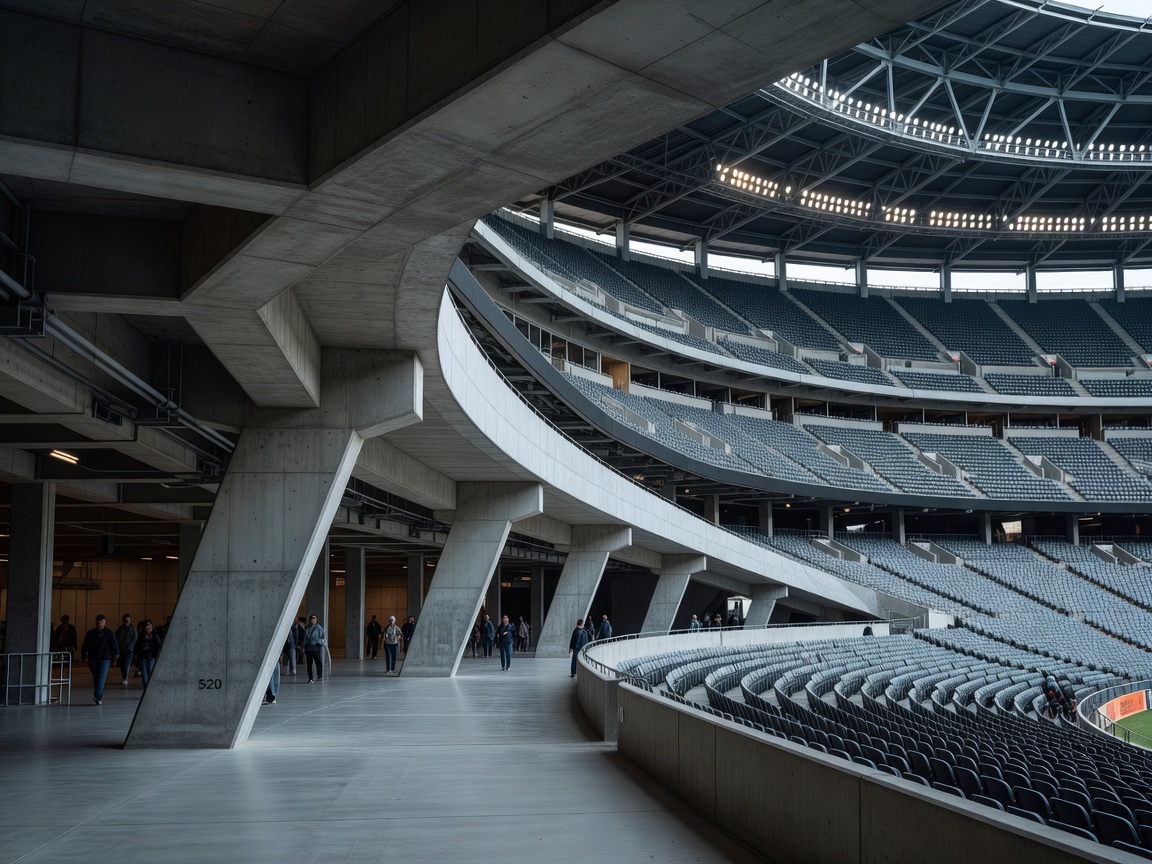
A concourse is an interior circulation area connecting entrances, seating and visitor services. It is both a route and a social space. Its design has to accommodate people moving at different speeds, visitors looking for signs and people pausing for facilities or refreshments. The scale, visibility and layout of concourses can make a large building feel more or less intuitive.
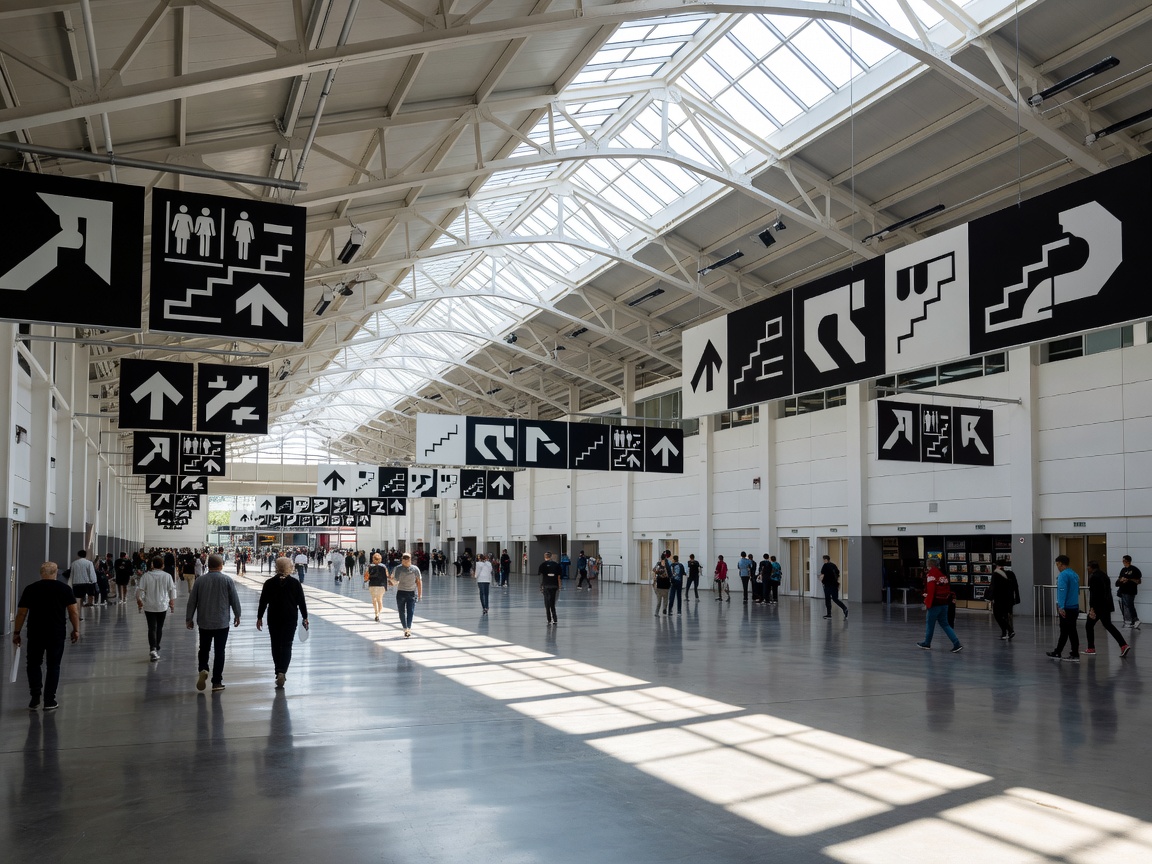
Wayfinding is the information system that helps people understand where to go. Clear identifiers, consistent signs and visible landmarks can reduce uncertainty. On a visit, take note of section markers and the route back to your entrance. Follow venue rules, keep access routes clear and ask staff if you are unsure.
Food areas, hospitality and retail
Food and beverage areas may be integrated into concourses or organised in separate parts of the venue. Availability, menus, payment options and service arrangements are specific to each event and may change. Avoid making assumptions based on a previous visit or a general description. Current venue guidance is the best source for practical details.
Hospitality spaces and retail areas broaden a stadium's functions, often supporting activities beyond the view from a seat. A club shop, where present and open, can be part of a visitor's itinerary, but current opening arrangements are not guaranteed. Hospitality access may be subject to separate permissions. These facilities are part of a wider operational system, not a promise that every visitor can use every space.
Accessibility and visitor needs
Accessibility is an important part of how a venue welcomes people. Relevant considerations may include step-free routes, seating arrangements, accessible toilets, assistance and information formats. Provisions differ between venues and can depend on the event configuration. This guide does not make claims about a particular stadium's current accessibility offer.
If you have a specific access requirement, contact the venue through its official channels before planning a visit. Ask about the route, entry arrangements and any event-specific process that matters to you. Information may change as works or event layouts change. For a safe and comfortable visit, rely on current, venue-specific guidance rather than assumptions based on photographs.
Nearby streets and public spaces
The area beyond a stadium can be a major part of the experience. Public squares, streets, cafés and transport connections help form the route before and after an event. An urban ground may have a close relationship with everyday neighbourhood life; a venue in a larger district may be approached through more open space. The contrast affects how visitors gather and move, but it does not describe every event in the same way.
Respect local residents and businesses, especially during busy events. Do not assume that nearby businesses are open or that public space has no event restrictions. Check local signage and current travel information. Thinking about the surrounding area as part of the visit encourages a more considerate and informed experience.
Transport connections and the wider journey
Transport is part of the stadium setting even when the station or stop sits outside the venue. A visitor's route may include public transport, walking, cycling or other locally available options. Services and access arrangements can change, especially around large events. Current operator and venue information is essential; this article does not provide journey times or schedules.
Plan the outward and return journeys together. Consider where you need to be, how you will recognise your route and what you will do if plans change. Allowing time and keeping to marked paths can make navigation more comfortable. Follow staff directions and do not enter restricted areas or cross barriers to shorten a route.
Comparing an urban venue and a destination site
An urban ground often makes the city visible at close range: streets, buildings and everyday activity can sit near its boundary. A larger destination site may offer a different arrival sequence, with more open space and a stronger sense of the venue as a single landmark. The design of facilities responds to the size and character of the site, as well as operational needs.
To compare them, consider how much of the journey takes place in shared city space, where the threshold is located and what facilities are available along the way. Think about access, signage and the transition into the building. The point is not to declare one setting superior, but to notice how each shapes a visitor's sense of place.
Good for
- Visitors planning a stadium trip
- Readers curious about concourse design
- People considering access needs
- Travellers exploring stadium districts
What to know
Facilities, access, services, transport and nearby business arrangements vary and can change. Check current official information before your visit.
Practical considerations
Before setting out, confirm the correct entrance, current venue rules, any bag restrictions, accessible arrangements and travel updates. Keep to public routes, respect staff directions and leave time to find your way. This information is general editorial context and should not replace venue-specific guidance.