The approach: a gradual change of pace
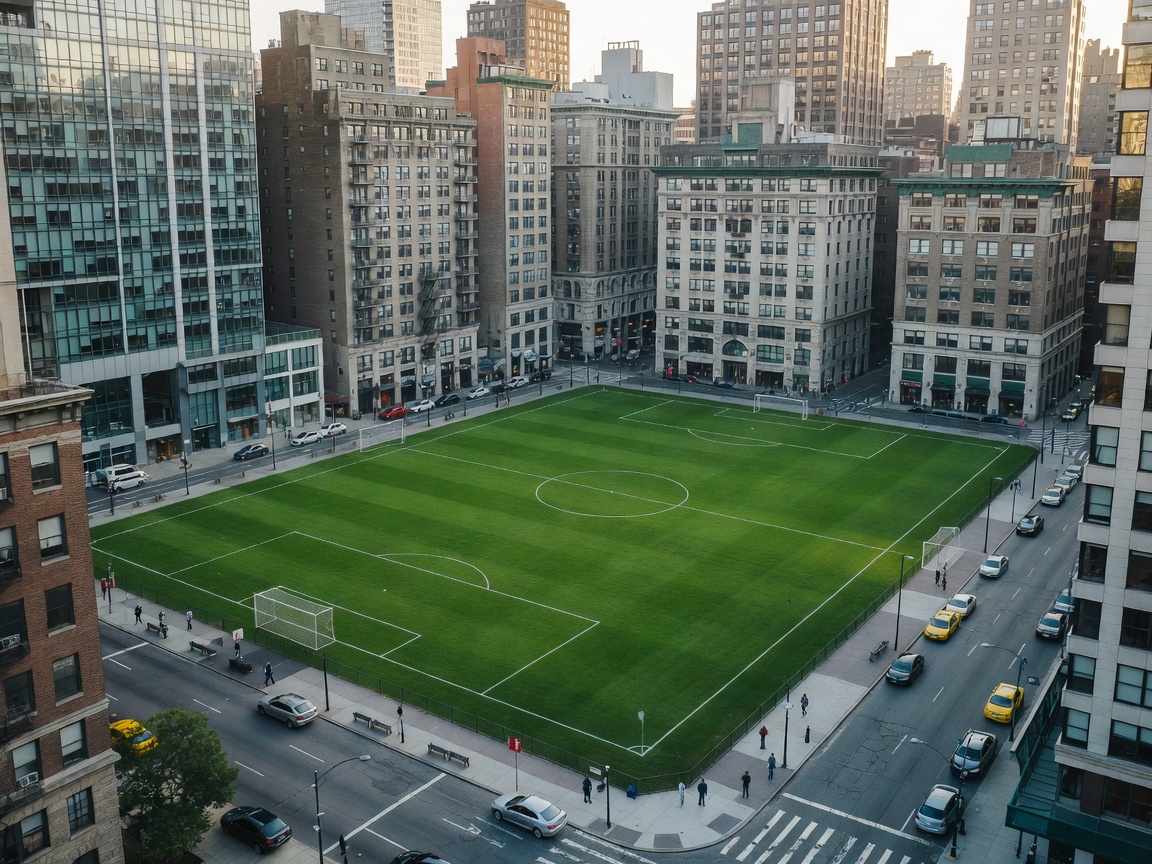
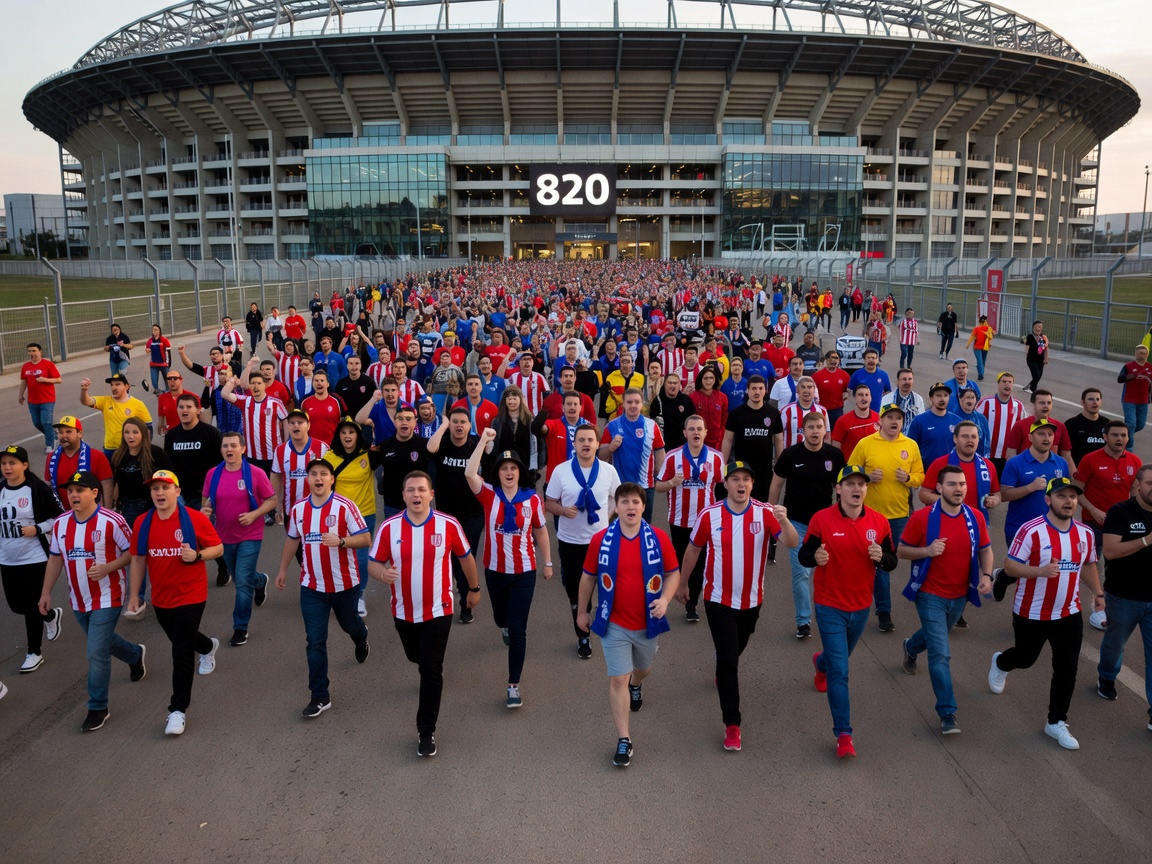
Matchday can be felt as a transition from ordinary city movement to a shared destination. The approach may run through residential streets, a transport interchange, a public square or a purpose-built forecourt. The route differs from ground to ground, and a busy event can change how it feels. The shift is often visible in scarves, colours, conversations and the increasing presence of other visitors.
For a first-time visitor, planning the journey is part of enjoying it. Check current travel information, the location of the correct entrance and any event-specific guidance. Arriving with time to spare can make it easier to find your way without rushing, but venue entry times and procedures vary. Never assume an approach or gate is open simply because it appears on a map.
Gathering, food and familiar rituals
Before a match, people gather in many different ways. Some meet friends nearby; others go straight to the ground or follow a personal routine. Local cafés and public places may be part of the wider day, but their availability and opening arrangements are not guaranteed. What matters editorially is how these ordinary spaces become linked to a shared event.
Food is another strand of matchday culture. A visitor may encounter quick refreshments inside a venue or choose to eat elsewhere, depending on the ground and its current rules. Menus, facilities and service arrangements change, so treat any specific assumption with caution. A stadium's food culture is as much about timing and social habit as it is about a particular item.
Entrances, concourses and the inside experience
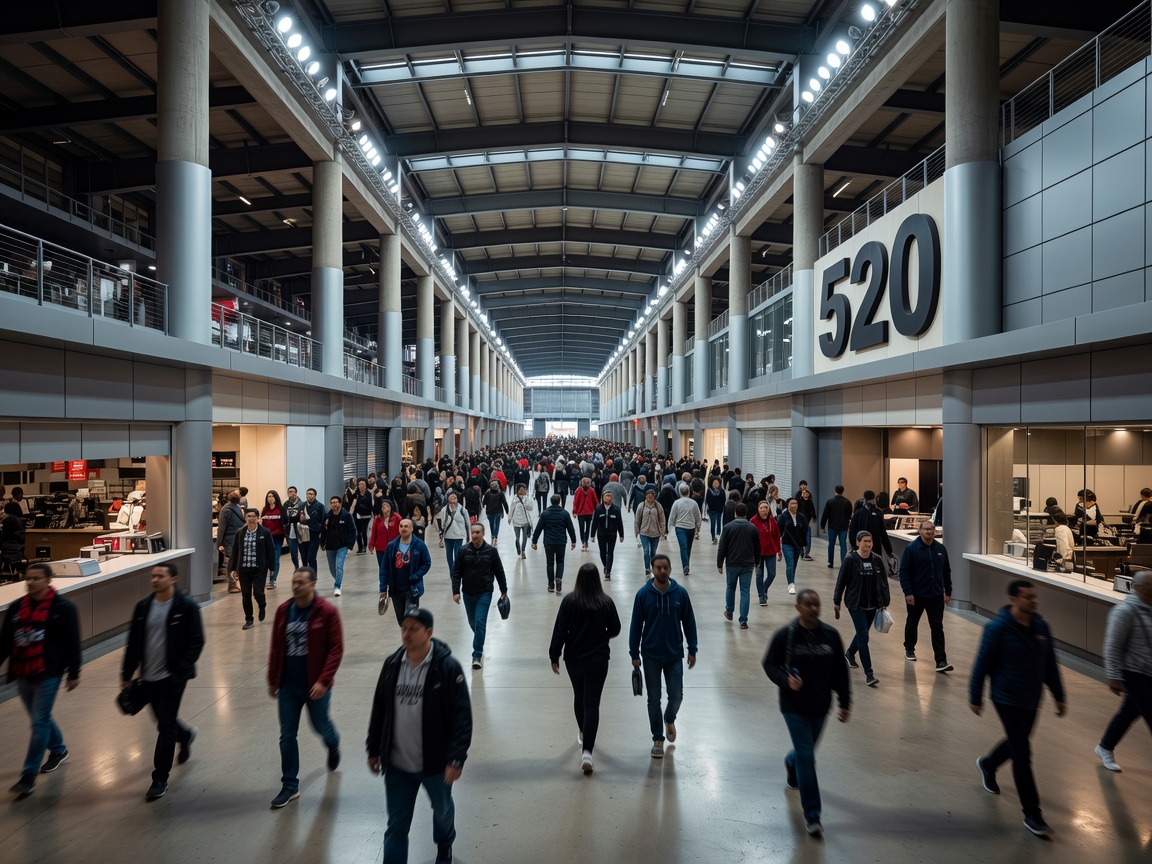
Passing through the entrance changes the scale of the experience. A gate, turnstile or staffed threshold marks the transition into the venue, followed by routes toward seating and facilities. Clear wayfinding can help visitors orient themselves in a large building. Follow the instructions of venue staff, use the designated entrance and do not attempt to bypass security or restricted areas.
Concourse activity brings together movement, conversation and practical needs. People may pause for refreshments, find facilities or make their way to a seat. The space can be busy and may feel different at arrival, halftime and departure. Keep to marked routes and be considerate of other visitors, especially where people are moving in different directions.
Sound, songs and visual traditions
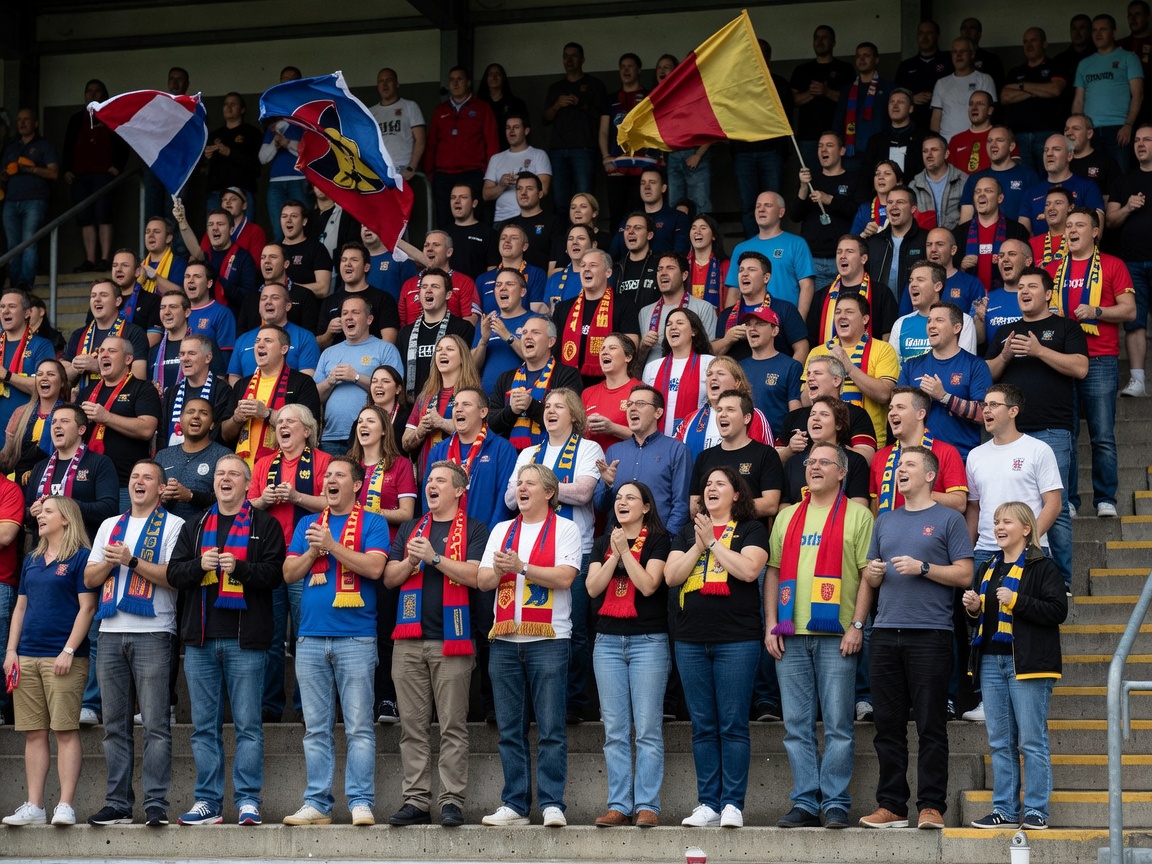
Atmosphere is not one sound or one kind of supporter. It can include coordinated songs, spontaneous reactions, applause, quiet attention and the ambient sound of a crowd. Traditions vary between clubs, competitions and groups of supporters. Avoid reducing a community to a stereotype or assuming that every visitor participates in the same way.
Scarves and other visual traditions can make a stand feel distinct, but visitors should respect venue policies and the people around them. Photography and recording rules differ. The most considerate approach is to check the current rules, avoid obstructing others and enjoy the occasion without treating people as props.
Halftime movement and changing tempo
Halftime changes the flow of a stadium. Some spectators remain in their seats, while others use the interval to move to facilities or refreshments. The amount of time available and the routes provided depend on the venue and event. If you are unfamiliar with the layout, look for signs and allow space for others. A little awareness of the nearest facilities before the match can make movement simpler.
The break also alters the soundscape. Conversations rise, the concourse becomes more active and the stand gradually settles again. These changes show how architecture and crowd behaviour interact: a large venue is not experienced as a single static room but as a series of spaces and moments.
Leaving together, then dispersing
The final whistle does not end the matchday immediately. People make their way out through designated routes, meet companions, wait for transport or continue into nearby streets. The movement can be busy, so follow staff instructions, keep to signed paths and make a sensible plan for getting back. Avoid trying to force a route through a crowd or enter areas that have been closed.
Post-match dispersal is part of the local setting. The journey may feel quick or gradual depending on transport arrangements and the flow of people. A nearby public place can become a meeting point, while some visitors head directly away. Respect local residents and businesses, and remember that travel conditions can change during events.
Comparing distinct matchday rhythms
A national stadium such as Wembley in London can create a different sense of occasion from a regular club ground embedded in a neighbourhood. A large venue's arrival may involve a broad approach and event-scale organisation; an urban stadium may bring the crowd into contact with more everyday streets. This is a broad comparison, not a fixed description of every event or visitor experience.
Matchday identities also differ in sound, colour and routine. The useful question is not which atmosphere is “best”, but how the place and its community shape a particular experience. Be curious, observant and respectful. A quiet moment can be as revealing as a chorus from the stand.
Good for
- First-time football visitors
- Supporters curious about venue culture
- Travel writers and photographers
- Readers interested in public gathering
What to know
General guidance only: arrive with time, check current venue rules, plan transport and follow staff instructions. Access and event arrangements vary.
Practical visitor considerations
Before setting out, check official access information, transport updates, bag restrictions and any event-specific instructions. Leave room for delays, use your designated entrance and keep your ticket or entry details accessible in the manner required by the venue. If you need assistance, seek help from staff or consult official accessibility information in advance. These are general considerations, not a guarantee of a particular service.