Grounds as records of everyday life
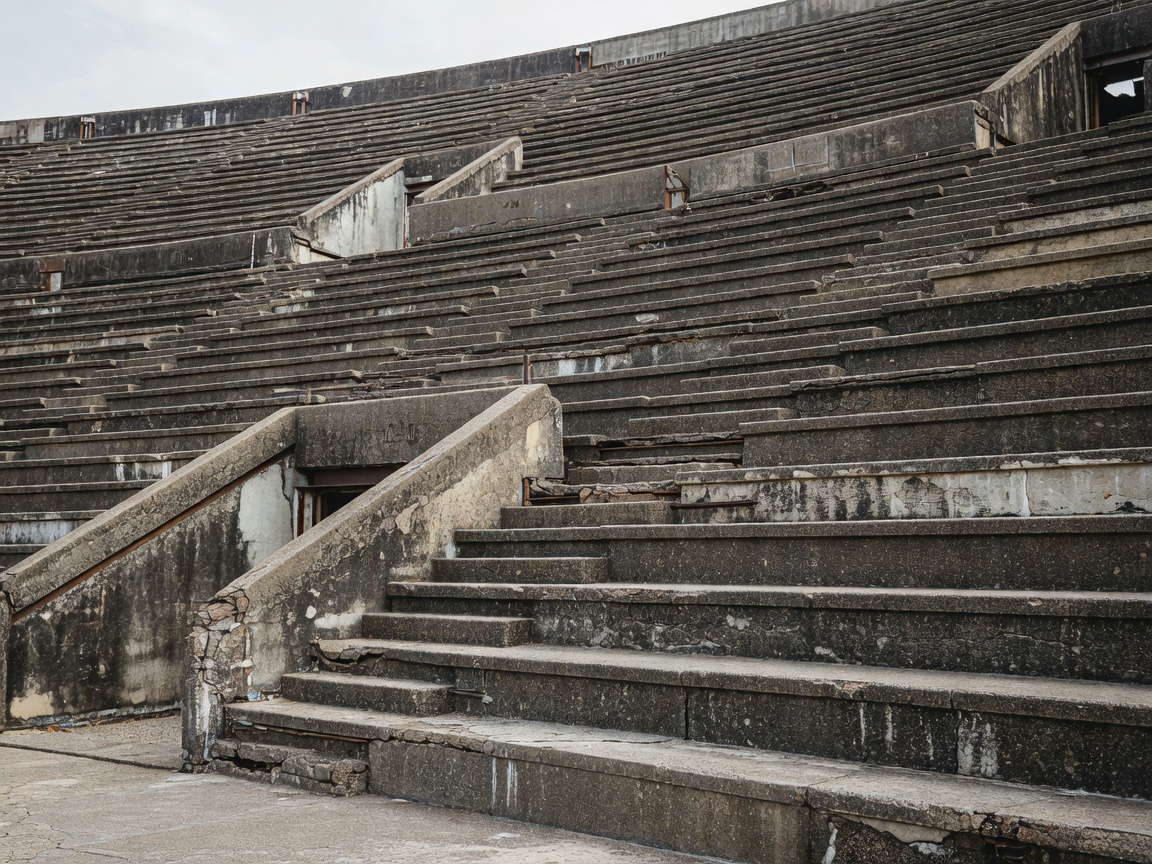
A football stadium is a cultural landmark, but it is also a building shaped by practical decisions. Its changing form can record shifts in how people watched sport, how cities developed and what was expected of a public venue. The history is not always preserved in a plaque or an archive. It may be visible in a stand that meets a newer roof, an entrance reworked for a different pattern of movement, or a boundary that once faced a different urban landscape.
Reading such traces requires care. A visible change does not always tell us when or why it happened. Historical research should distinguish established facts—such as documented redevelopment—from interpretation, such as the feeling that one section expresses a particular era. Both can be valuable, but they are not the same kind of claim.
From open grounds to built enclosures
Early football grounds often developed from relatively simple arrangements for spectators, later becoming more substantial enclosed venues as organised sport grew. Across different places and periods, construction methods, land availability and patterns of attendance varied. There is no single timeline that describes every European stadium. Local histories and archived records matter.
Over time, stands, entrances, roofs and services became more integrated into the design of a venue. The building could offer a clearer separation between spectator areas and field, while providing shelter or more defined access. These shifts changed not only the structure but also the way a crowd gathered and experienced the event.
Modernisation and the spectator experience
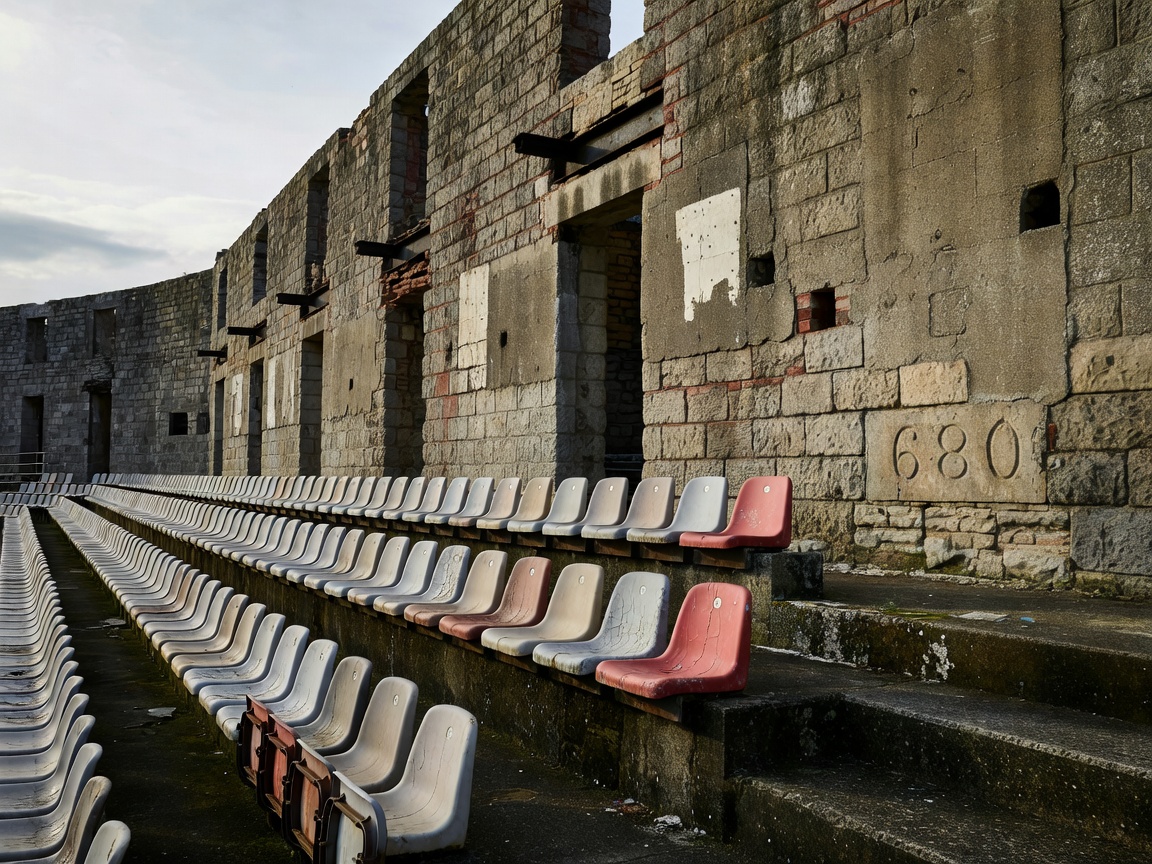
Modernisation has taken many forms: improved circulation, updated services, renewed roofs, rebuilt stands and changes to spectator accommodation. In many football settings, the move from standing terraces toward all-seated arrangements became a major part of wider debates about safety and the spectator experience. The detail and timing of these changes differed between countries and venues.
It is easy to describe modernisation only as a technical process. It also changes the social character of a ground. Seating arrangements, entry routines and amenities influence how people use a venue. New commercial and hospitality spaces can broaden the building's functions beyond the match, while prompting questions about access, tradition and whose experience a stadium is designed around.
Rebuilding, expansion and preservation
At some grounds, redevelopment works within a historic footprint; elsewhere, a major project replaces much of the existing structure. Expansion can respond to changing requirements, but it can also introduce difficult choices about the surrounding neighbourhood, construction disruption and the continuity of familiar spaces. Preservation is not simply a matter of keeping every old wall. It requires deciding which elements carry meaning, how they can be maintained and whether they can serve a contemporary building.
San Siro in Milan is widely recognised for its substantial, layered structure and longstanding place in the city's football landscape. Its story illustrates why stadiums can provoke conversations about architectural memory and future use. The broader lesson is that the future of a venue is shaped by more than an aesthetic preference: practical, cultural, economic and planning questions all matter.
Changing expectations and football culture
What visitors expect from a stadium has changed. Comfort, access, wayfinding, food provision and the quality of the view are part of the contemporary conversation. So are atmosphere, local tradition and the visible history of the site. These expectations do not always point in the same direction. A contemporary amenity may improve one aspect of a visit while altering the character of a familiar space.
Stadium design also reflects the event's wider position in city life. Some venues remain strongly connected to their neighbourhoods; others operate as larger destinations with uses that extend beyond football. Looking at these relationships helps explain why the history of a ground is also a history of urban development.
Historic grounds as cultural landmarks
A historic stadium can become a symbol not because every part is old, but because successive generations attach memories to the place. The name, approach, shape of a stand or familiar ritual can carry meaning. Wembley, for example, is a significant national sporting venue in London; its present architecture and older associations belong to different moments in its longer public story. A careful account avoids collapsing those layers into one unchanged identity.
Preservation does not require a building to stand still. It may mean recording what changes, retaining meaningful features where feasible and making the history accessible. For travellers, observing visible construction layers can be a starting point, not a substitute for an accurate archive or local historical account.
Comparing a layered ground and a new-build venue
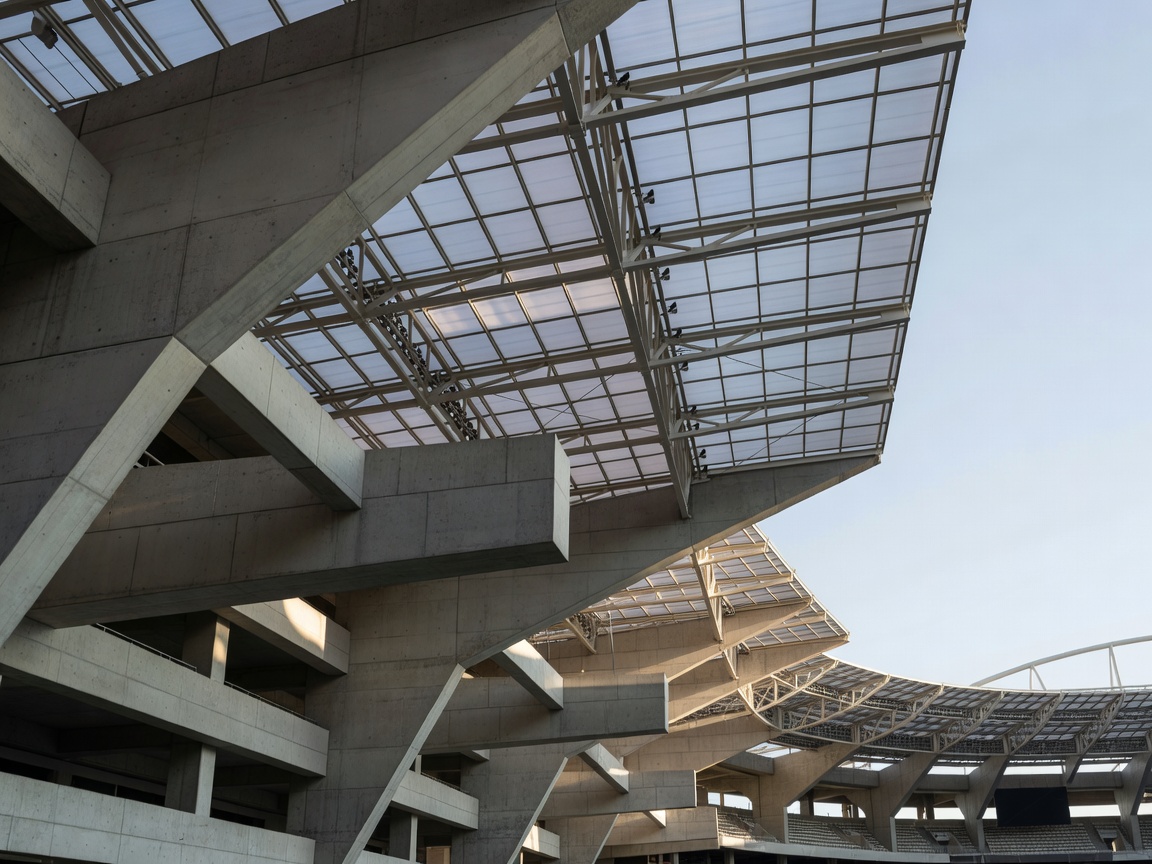
Comparing an older ground with a contemporary venue reveals different design priorities. A layered stadium may expose additions made across time; a new-build project can present a more coordinated whole. But age alone does not determine cultural value, nor does a unified design guarantee a better spectator experience. Ask what each venue preserves, how it meets its city, and how its facilities support current use.
When visiting, notice transitions: older structure meeting newer finishes, a familiar stand next to a rebuilt section, or a forecourt altered by new access routes. These are prompts for further research. Avoid assigning a date, architect or cause to a feature unless a reliable source supports it.
Good for
- Football historians and cultural researchers
- Architecture enthusiasts
- Travellers interested in local landmarks
- Readers studying urban change
What to know
Historical information can change as venues are renovated, renamed or redeveloped. Consult reliable local and institutional sources for specific claims.
Practical considerations
For a visit, check whether the site is open to the public and whether photography or tours are permitted. Historic significance does not imply unrestricted access. If researching a stadium, compare venue histories with archival or other reliable sources, and distinguish documented milestones from personal interpretation.